The Importance of Flow Control Equipment in Industrial Pipe Systems
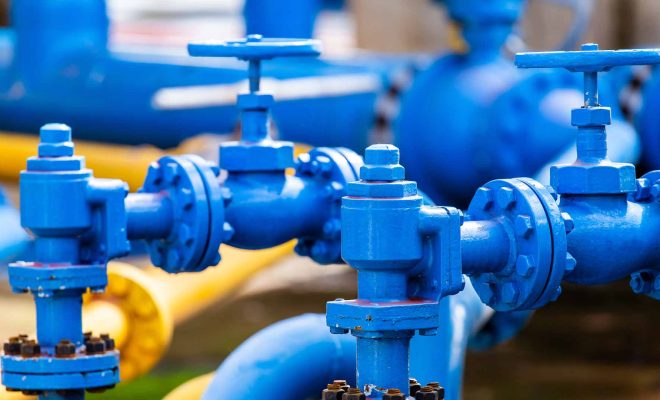
Effective flow control is essential in industrial pipe systems, ensuring fluids move safely, efficiently and reliably through complex networks. In UK industrial environments such as manufacturing, water treatment and building services, poorly managed flow can lead to pressure issues, system wear and operational downtime. Selecting appropriate flow control equipment is therefore a key part of system design and long term performance.
What Is Flow Control Equipment?
Flow control equipment regulates the movement, pressure and direction of fluids within a pipe system. These components allow operators to manage system behaviour under varying operating conditions.
Common types of flow control equipment include:
- Valves for isolating or regulating flow
- Pressure control devices to protect systems from overload
- Check valves to prevent backflow
- Actuated systems for automated flow management
Together, these components ensure systems operate within safe and efficient parameters.
Why Flow Control Is Critical
Without proper flow control, pipe systems are vulnerable to a range of issues:
- Excessive pressure causing leaks or component failure
- Inconsistent flow affecting process efficiency
- Backflow leading to contamination or equipment damage
- Increased wear on pumps and fittings
Well specified flow control equipment helps maintain system balance, protecting both infrastructure and connected machinery.
Selecting the Right Flow Control Components
Choosing suitable equipment depends on several factors:
- Fluid type: Liquids, gases and corrosive substances require different materials and sealing solutions.
- Pressure and temperature: Components must be rated to withstand operating extremes.
- Manual vs automated control: Automated systems are ideal for complex or high frequency adjustments.
- System size and complexity: Larger systems may require multiple control points for effective regulation.
Matching components to system requirements improves performance and reduces maintenance demands.
Materials and Standards
Flow control components must meet relevant UK and European standards to ensure safety and reliability. Materials commonly used include:
- Stainless steel for corrosion resistance and hygiene critical systems
- Carbon steel for high pressure industrial environments
- Approved plastics for chemical handling and water systems
Compliance with recognised standards provides confidence that components will perform consistently under operational stress.
Installation and Ongoing Maintenance
Even high quality flow control equipment requires correct installation and maintenance:
- Install components in the correct orientation to ensure proper function
- Allow access for inspection and servicing
- Regularly check seals, actuators and pressure ratings
- Replace worn components before failure occurs
Proactive maintenance supports consistent flow regulation and reduces unexpected downtime.
Frequently Asked Questions
What happens if flow control equipment is incorrectly specified?
Incorrect specification can lead to pressure imbalance, inefficient flow and increased risk of system failure.
Is automated flow control always necessary?
Not always. Manual control may be sufficient for smaller or less complex systems, while automation suits high demand applications.
Can flow control equipment improve energy efficiency?
Yes. Proper flow regulation reduces strain on pumps and helps systems operate more efficiently.
How often should flow control components be inspected?
Inspection frequency depends on usage and operating conditions, but critical components should be checked regularly as part of routine maintenance.
Final Thoughts
Flow control equipment is fundamental to the safe and efficient operation of industrial pipe systems. By selecting the right components, using suitable materials and ensuring correct installation and maintenance, operators can improve system reliability and performance.
Effective flow management not only protects infrastructure but also supports long term operational efficiency across a wide range of UK industrial applications.