How Digital Health Platforms Are Transforming Patient Payment Experiences
Introduction
Technology platforms are changing the face of patient engagement with healthcare providers, particularly with payments. Historically, medical payments have been cumbersome, tedious and confusing. As digital technology finds its way into medical services, patient payments are becoming more transparent, efficient and convenient. The rise of innovative healthcare payment solutions is helping streamline billing processes, improve price transparency, and offer flexible payment options, ultimately enhancing the overall patient experience while reducing administrative burdens for providers.
Simplifying Billing and Transparency
A key advancement in digital health platforms is more transparent billing. Consumers can access itemised statements of their health costs via web portals or apps. This allows patients to see exactly what they are being charged for, such as consultation charges, tests and insurance claims. This minimises confusion and billing disputes.
Integration with Insurance Systems
Online systems are now also linking with insurance companies to facilitate payments. This allows patients to verify their insurance coverage, co-payments, and claims online. It eliminates paperwork and waiting for claims processing. Wholesome co-ordination between health care providers and insurers make payment processes easier.
Flexible and Multiple Payment Options
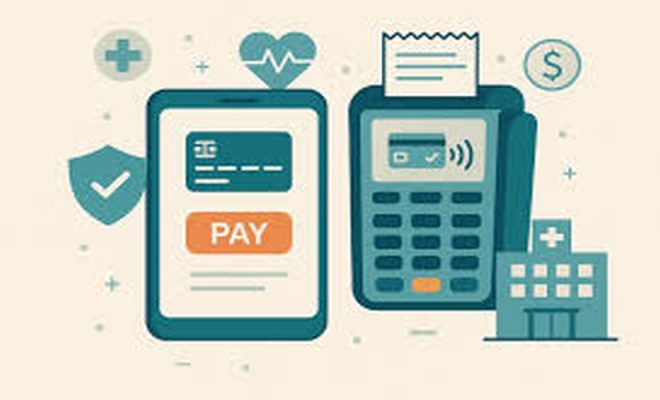
Today’s digital health platforms support payment through credit/debit cards, digital wallets and net banking. They even support installment payment options for costly treatments, enabling affordable health care. Having multiple options gives patients flexibility to select payment options according to their financial needs.
Automation and Faster Transactions
Efficiency in payments is greatly enhanced by automation. Electronic systems can automatically create invoices, remind patients about outstanding payments, and facilitate real-time payments. This not only saves time for medical service providers but also prevents patients from missing out on payment deadlines. Quick payments also help improve cash flow for healthcare facilities.
Enhanced Security and Data Protection
Security is critical when dealing with financial and health information. Online health systems employ encryption and authentication methods to secure data. Two-factor authentication and secure payment technologies provide a secure payment experience, promoting trust.
Personalized Patient Experience
Electronic systems can use data to provide tailored payment arrangements. They can offer tailored payment arrangements based on patients’ credit history or recommend appropriate insurance policies. This personalisation enhances patient experience and boosts payment rates.
Conclusion
Online health platforms are enhancing patient payment experiences by providing clarity, ease and security. Through the use of innovative technologies and a patient-centric approach, they are streamlining billing processes and enhancing healthcare accessibility. With the rapid advancement of technology, patient-friendly payment options will become a key component in the healthcare industry.