How do crews prepare for emergency tree removal situations?
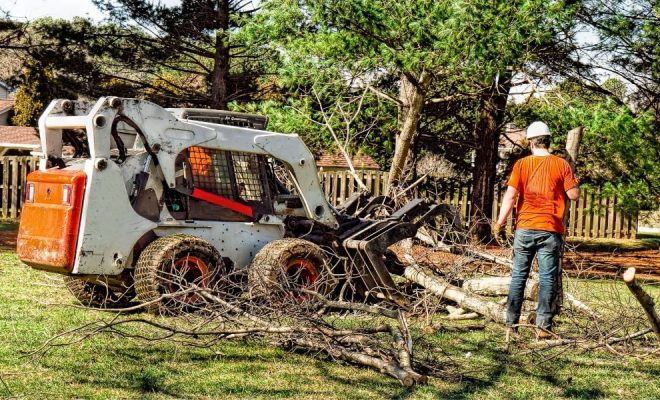
Emergency tree removal requires rapid deployment with proper equipment and safety measures already in place. Crews maintain readiness through pre-positioning resources and training for hazardous conditions. emergency tree removal equipment and emergency response tools stay ready for immediate dispatch when storm damage or tree failures create urgent situations.
Equipment readiness maintenance
Vehicles that respond to emergencies are always fueled and serviced. This ensures they can respond to urgent calls immediately and without delays. There is a daily check of chain tension, bar oil levels, and fuel mixture on chainsaws. The purpose of this is to keep them ready in case of an emergency. Weekly inspections of climbing gear, including ropes, harnesses, and safety equipment, are performed. Failures of equipment during emergency operations can pose a life-threatening threat. It is important to maintain chippers and stump grinders on a regular basis. Keeping hazardous trees under control prevents breakdowns during critical responses. The hitch connections, trailer lights, and tyre pressure are checked each shift. This method ensures the safety of equipment being transported to emergency sites.
Crew training protocols
- Trees on structures, entangled power lines, and unstable leaning trees are among the hazards crews practice regularly during emergency scenario drills.
- The purpose of the electrical hazard training is to teach workers how to recognize energised conductors and safe clearance distances, preventing electrocution during utility emergencies.
- Rigging technique practice develops skills for controlled dismantling of trees in precarious positions where conventional felling proves impossible
- In a disaster situation with a delayed response time of emergency medical services, crew members with first aid certification can treat injuries immediately
- In communication system training, radio protocols and chain-of-command procedures are covered, so that coordination is maintained during chaotic emergency situations
Safety gear preparation
A specific location is designated for the storage of personal protective equipment. Having the gear on before an emergency allows the crew to respond faster. A hard hat with a face shield protects workers from falling debris. Cutting operations in dangerous conditions are also protected from flying wood pieces. Chainsaw chaps and steel-toed boots stop injuries to legs and feet. These protect from saw contact and from heavy wood pieces that fall. The wear of high-visibility vests makes workers more visible to equipment operators. In addition, they make the crew more visible at night or in poor visibility conditions. Hands are protected while tools are kept in a firm grip with leather gloves. Emergency situations tend to happen when the weather is wet or icy. Every piece of equipment helps the team stay safe and ready during risky work situations.
Site assessment procedures
A pre-arrival information gathering process allows emergency dispatchers to determine tree size, location, and hazard type before arrival. A safe distance should be used to assess structural stability on-site using binoculars or telephoto cameras. Trees that contact electrical infrastructure need to be disconnected or cleared by utility companies. Structural engineer consultation happens when trees threaten building integrity or removal operations might cause additional collapse risks requiring expert analysis. Establishing evacuation zones prevents damage to people and property by moving bystanders, vehicles, and contents from potential fall paths. Weather monitoring continues throughout operations to ensure tree stability and removal safety in case of wind shifts or precipitation changes.
Regular service and inspections ensure that equipment is ready to deploy, crews are trained in hazard response protocols, protective gear is arranged for rapid crew outfitting, and hazardous conditions are identified prior to operations beginning, ensuring that emergency responses will be safe during tree removal.