Why Choose Professional Forging Services Over Casting?
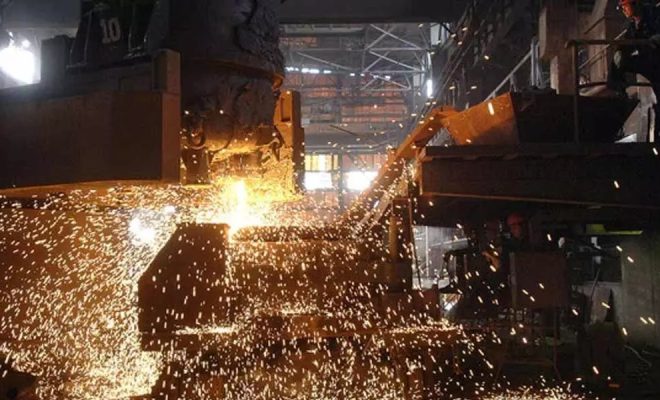
Strong metal parts are vital for machines that face stress, pressure, and long use. Many producers compare two shaping methods before deciding. One option focuses on shaping heated metal through force, while the other relies on liquid metal molds. Decisions affect safety, life span, and cost control. Forging Vietnam often gains attention because buyers seek reliable outcomes with fewer faults. Understanding clear differences helps companies avoid weak parts and reduce failure risks.
Strength and Grain Flow
Forged parts gain strength because metal grains follow the shape of the component. This flow improves resistance against cracks under load. Cast parts cool in molds and form random grains that may weaken stress points. Many industries prefer forging for parts that must handle repeated forces safely. This reason supports higher trust in Forging Vietnam suppliers.
Structural Reliability
Forged components show fewer hidden gaps or air pockets. Casting often creates internal voids during cooling. These flaws reduce reliability during heavy use. Forging compresses material and removes gaps naturally. As a result, parts last longer under pressure and vibration. Engineers value this reliability for critical assemblies.
Quality Control Focus
This method suits strict inspection needs. Dense metal structure eases testing. Reliable checks help meet standards quickly. Forging Vietnam suppliers invest in inspection tools.
- Consistent density improves testing accuracy and acceptance rates.
- Controlled shaping lowers unexpected failures during use.
- Better predictability helps planning and inventory control.
Better Fatigue Resistance
Repeated stress causes fatigue over time. Forged components resist fatigue because of an aligned grain structure. Cast items fatigue faster due to uneven grain formation. Industries needing a long service life often select forging. This choice reduces replacement frequency and downtime.
Production Speed Advantage
Forging processes can be faster once tooling is ready. Casting requires cooling time before handling. Faster cycles increase output rates. This helps meet tight delivery schedules. Speed supports competitive manufacturing.
Environmental Considerations
Forging uses less energy in the finishing stages. Casting may require reheating and extensive machining. Reduced processing steps and lower energy use. Sustainable goals align with forging practices.
Long Term Trust
Manufacturers seek partners that deliver dependable parts. Forging builds trust through proven performance. Consistent results support long relationships. Forging Vietnam remains preferred for this reason.
- Proven durability supports brand trust.
- Lower failure rates protect reputation.
- Reliable supply builds confidence.
- Strong parts meet strict demands.
- Long use reduces service issues.
Careful comparison shows why many producers lean toward forging. Strength, reliability, efficiency, and safety benefits address real production challenges. Casting may suit limited needs, yet forging supports demanding tasks with confidence. Evaluating load needs, service life, and risk tolerance guides decisions. Choosing experienced providers ensures proper material handling and quality control. Forging Vietnam stands as a practical solution for firms seeking dependable metal parts that perform well over time and reduce costly setbacks.