How Rope Access Techniques Improve Efficiency in Building Maintenance and Repair
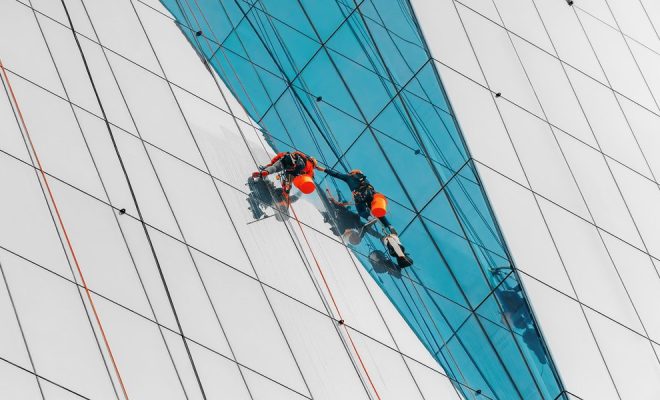
A technician suspended high above the city, secured by little more than a few ropes and harnesses, might seem daring at first glance. Yet, this seemingly risky approach is transforming building maintenance and repair, outpacing clunky scaffolding and heavy equipment with speed, precision, and a remarkable safety record.
Origins of Building Maintenance Challenges and Traditional Methods
Early Techniques for Accessing Building Exteriors
Long before skyscrapers defined city skylines, workers relied on ladders and crude platforms to reach building exteriors. As cities grew taller, so did the ingenuity required for upkeep. Scaffolding, a centuries-old solution, became the default: its metal skeletons wrapped buildings for everything from window cleaning to major repairs.
Limitations of Scaffolding and Heavy Equipment
While scaffolding allowed teams to reach dizzying heights, it brought its own set of headaches. The time and manpower needed to erect and dismantle these structures could rival the work itself, leading to ballooning costs and extended project timelines. Bulky lifts and hoists also strained budgets and restricted movement in cramped urban environments.
Safety and Cost Concerns in Conventional Approaches
Safety, always a top concern, was hardly guaranteed by traditional means. Falls remained a leading hazard, especially during the assembly or removal of scaffolds. For property owners, these risks translated into higher insurance premiums and potential liability, ironically making the “safe” approach one of the most costly.
Emergence of Rope Access Techniques
Development and Certification of Rope Access Professionals
Enter rope access: a practice inspired by caving and rescue operations, refined by rigorous training and certification. Today’s rope access technicians, or cordistes, are often certified through global organizations like IRATA or SPRAT, ensuring standardized skills and procedures. Montreal’s own Vertical Solutions travaux en hauteur exemplifies this professionalism, providing clients with highly trained teams for projects that demand precision in the toughest spots.
Key Advantages Over Traditional Methods
Compared to scaffolding, rope access is astonishingly agile. Cordistes reach targeted areas swiftly, often within hours, without cluttering sidewalks or disrupting building occupants. The absence of large structures means fewer permits, minimal environmental impact, and a far less intrusive footprint.
Initial Industry Adoption and Use Cases
Early adopters included window cleaners for high-rises, but the field quickly expanded. Rope access now supports facade inspections, repairs, waterproofing, and even artistic endeavors like mural installations. As confidence in its safety and efficiency spread, building managers across industries began to take notice.
Technological Advancements Enhancing Rope Access
Improved Equipment and Safety Gear
Modern rope access relies on gear that’s both lightweight and robust. Today’s harnesses, descenders, and anchor systems incorporate advanced materials and fail-safes tested far beyond required standards. Innovations continue, with manufacturers focusing on ergonomics and durability, allowing teams to work longer in challenging positions.
Integration of Training and Certification Standards
Training is not optional. Technicians undergo both theoretical learning and practical exams, with periodic recertification to ensure up-to-date skills. Companies often require their teams to hold multiple certifications, adding another layer of accountability and reliability for clients.
Expansion into Diverse Maintenance and Repair Tasks
What began with window washing now encompasses everything from concrete repair on tower facades to installing anti-bird systems and seasonal snow removal. Rope access adapts easily to new challenges, offering a solution for tasks once considered prohibitively difficult or expensive.
Impact on Efficiency and Cost-Effectiveness
Reduction in Setup Time and Labor Costs
Where scaffolding might take days to set up, rope access teams can be on the ropes and working within hours. This rapid deployment translates directly to savings in both labor and project duration, allowing for quick turnarounds even for urgent repairs.
Flexibility in Reaching Difficult or Confined Spaces
Some areas, think deep light wells, rooftop corners, or confined industrial spaces, are nearly inaccessible with traditional approaches. Rope access thrives here, enabling skilled workers to tackle complex jobs with minimal disruption.
Minimizing Disruption to Occupants and Surroundings
Less equipment means less noise, clutter, and interruption for building occupants or nearby pedestrians. For property managers and tenants alike, the difference is palpable: maintenance happens almost invisibly.
Safety Improvements and Risk Management
Rigorous Training and Safety Protocols
Despite the visual drama, rope access boasts a strong safety track record. Procedures mandate double-rope systems (one working, one backup), frequent equipment checks, and strict adherence to protocols. Technicians work in teams, ensuring constant oversight and rapid response if needed.
Real-World Examples of Risk Reduction
Accident rates in rope access remain significantly lower than those in scaffolding-based work. This is due in large part to the culture of safety and continuous training within the industry.
Compliance with Industry and Regulatory Standards
Reputable firms adhere to (and often exceed) governmental safety standards, frequently incorporating additional best practices from international bodies to further reduce risk.
Environmental and Sustainability Benefits
Lower Environmental Footprint Compared to Traditional Methods
Without the need for truckloads of scaffolding or fuel-hungry lifts, rope access greatly reduces the carbon footprint of maintenance projects.
Reduction in Material Waste and Site Impact
Minimal setup means fewer materials and negligible physical impact on the building site or landscaping.
Supporting Green Building and Maintenance Practices
As sustainability becomes a priority, rope access naturally aligns with green building certifications and maintenance strategies.
Case Studies: Successful Implementations in Building Maintenance
From sparkling windows on Montreal’s tallest towers to pinpoint repairs in narrow courtyards and efficient snow removal on sprawling roofs, rope access delivers tangible results. Even tasks like gutter cleaning or joint sealing, once logistical nightmares, are now executed swiftly and safely by certified teams.
The Future of Rope Access in Building Maintenance
What comes next? Drones are beginning to handle preliminary inspections, while robotics may soon assist in even more challenging environments. The role of the cordiste is also expanding, with growing demand for rope access expertise in fields as diverse as renewable energy and infrastructure repair. Through all this, one constant remains: continuous improvement in training, gear, and safety culture, ensuring that rope access continues to set new standards for efficiency in building maintenance and repair.