The Invisible Engine: How Singapore’s Working Class Powers the City’s M&E Infrastructure Revolution

M&E services in Singapore represent more than technical expertise—they embody the quiet struggles and triumphs of thousands of skilled workers who keep the city-state’s gleaming towers habitable, functional, and alive. In the sweltering heat of mechanical rooms tucked beneath Marina Bay’s corporate headquarters, migrant electricians and local technicians labour in anonymity, their calloused hands maintaining the complex systems that sustain Singapore’s economic miracle.
This is a story rarely told, yet profoundly important. Behind every climate-controlled boardroom, every functioning hospital ward, every seamlessly operating shopping centre lies an intricate web of mechanical and electrical infrastructure managed by workers whose expertise remains largely invisible to the millions who benefit from their labour.
The Human Cost of Singapore’s Infrastructure
Walk through any major construction site in Singapore, and you’ll witness the human dimension of M&E services. Filipino electricians thread cables through concrete cores whilst Bangladeshi pipe fitters navigate cramped spaces to install cooling systems. Their work is physically demanding, technically complex, and often dangerous—yet it forms the foundation upon which Singapore’s prosperity rests.
The statistics paint a sobering picture of this industry’s human reality:
- Foreign workers comprise approximately 70% of Singapore’s construction workforce
- M&E technicians often work 10-12 hour shifts in extreme conditions
- Workplace injuries in electrical and mechanical trades remain persistently high
- Many skilled workers earn wages that barely cover Singapore’s rising living costs
- Career advancement opportunities remain limited for those without formal qualifications
These workers don’t just install systems—they maintain the delicate balance that keeps Singapore functioning. When air conditioning fails in a hospital during the humid months, it’s often a lone technician working through the night to restore critical environmental controls. When power systems falter in residential blocks, teams of electricians sacrifice family time to ensure elderly residents aren’t left without essential services.
The Architecture of Inequality
Singapore’s M&E services sector reveals uncomfortable truths about economic inequality in one of the world’s wealthiest nations. Whilst property developers and building owners reap substantial profits from efficient mechanical and electrical systems, the workers who design, install, and maintain these systems often struggle to afford housing in the very buildings they service.
“Every day, I fix the air conditioning for offices where people earn more in a month than I make in a year,” confides an experienced HVAC technician who has worked on several prestigious commercial developments. “But without us, their comfortable offices would be uninhabitable within hours.”
This disparity becomes particularly stark when examining residential developments. Luxury condominiums feature sophisticated building management systems, advanced fire protection, and state-of-the-art electrical infrastructure—all maintained by workers who live in basic dormitories far from the properties they service.
The Skills Crisis Hidden in Plain Sight
Despite Singapore’s reputation for educational excellence and workforce development, the M&E services sector faces a growing skills shortage that threatens the nation’s infrastructure reliability. The work requires extensive technical knowledge, yet society’s emphasis on white-collar careers has created a persistent talent gap.
Consider the expertise required for modern M&E services:
- Understanding complex building automation systems that integrate multiple technologies
- Mastering electrical codes and safety regulations that evolve constantly
- Troubleshooting sophisticated HVAC systems in tropical climate conditions
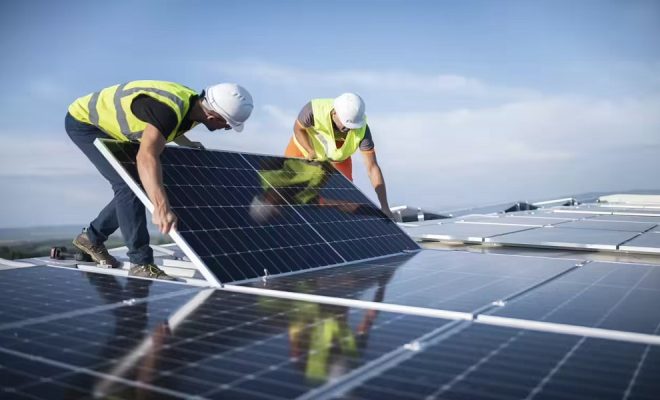
- Installing and maintaining renewable energy systems and smart building technologies
- Coordinating with multiple trades whilst adhering to tight construction schedules
Young Singaporeans increasingly pursue university education and professional careers, viewing M&E trades as less prestigious alternatives. This cultural bias has profound implications for the sector’s future sustainability and the broader economy’s infrastructure resilience.
Climate Change and the Intensifying Burden
Singapore’s tropical climate is becoming more extreme, placing additional stress on mechanical and electrical systems—and the workers who maintain them. Rising temperatures and increasingly frequent severe weather events mean M&E technicians face more challenging working conditions whilst managing systems under greater operational stress.
The human toll is measurable:
- Heat-related workplace incidents among M&E workers have increased
- System failures occur more frequently, requiring emergency repairs in dangerous conditions
- Cooling systems operate at maximum capacity for longer periods, increasing maintenance demands
- Electrical systems face greater stress from power surges during intense storms
These challenges disproportionately affect foreign workers, who often lack adequate safety protections and may hesitate to report unsafe working conditions due to visa dependencies.
The Path Forward: Dignity in Essential Work
Addressing the challenges facing Singapore’s M&E services sector requires acknowledging the essential dignity of this work and the workers who perform it. These aren’t simply “low-skilled” jobs—they require extensive training, technical expertise, and physical courage.
Meaningful reform must include:
- Improved wages and working conditions that reflect the skill level required
- Better safety protections and enforcement of workplace standards
- Career advancement pathways for experienced technicians
- Recognition of foreign qualifications and skills
- Investment in training programmes that prepare local workers for M&E careers
The Invisible Foundation
Every morning, millions of Singaporeans wake in climate-controlled homes, commute through air-conditioned transport systems, and work in comfortable offices powered by reliable electrical grids. This seamless experience depends entirely on the expertise and dedication of M&E workers who remain largely invisible to those they serve.
Their labour sustains not just buildings, but the entire social and economic fabric of modern Singapore. In hospital intensive care units, their electrical work powers life-saving equipment. In schools, their HVAC installations create learning environments that help children thrive. In elderly care facilities, their mechanical systems provide comfort and safety for Singapore’s most vulnerable residents.
The next time you flip a light switch, adjust a thermostat, or simply breathe cool air in a Singapore building, remember the skilled hands that made that comfort possible. The city’s future depends not just on financial capital or technological innovation, but on recognising and properly valuing the essential work of those who maintain our most fundamental infrastructure—the dedicated professionals who provide M&E services in Singapore.