7 Things to Check Before You Buy Fruit Trees for a New-Build Garden, Professional Advice
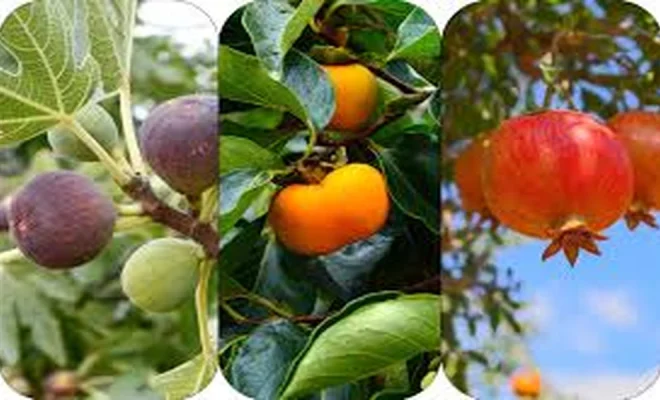
A new-build garden can look like a blank opportunity, but it often hides practical limits. Soil may be compacted, drainage may be uneven, fences can create wind tunnels, and the garden’s real light pattern may not be obvious until the first full year has passed. Fruit trees can work beautifully in that setting, but only when the starting conditions are checked carefully.
The first decision is not which variety sounds most appealing. It is whether the garden can support the tree in the place imagined for it. When soil, light, shelter, access, and future layout are considered before planting, a new garden can gain structure and productivity without being overloaded too early.
A useful nursery view from Fruit-Trees is that new-build gardens should be assessed for compaction before the tree choice becomes too fixed. The surface may look tidy while the soil below remains tight from construction traffic, imported material, or poor drainage. Gardeners should test how water moves, where wind crosses the plot, and how easily the future tree can be reached. Those checks make fruit planting part of building a garden, not just filling an empty lawn.
This means the new garden should be treated as a site in progress. A fruit tree can help give it maturity, but the tree needs conditions that will still make sense once beds, seating, paths, and neighbouring planting begin to change.
That steadier frame also keeps the article practical. The tree is judged by the place it will occupy, the care it will receive, and the crop or seasonal value it can realistically provide. A measured choice is easier to plant well and easier to keep supporting after the first enthusiasm has passed. It also gives the gardener a clearer reason for each small decision that follows next. That kind of clarity is especially useful when weather, space, and household routines begin to test the original plan. It keeps the focus on steady establishment, practical access, and a result the gardener can still support after several seasons. That is where a careful choice proves its worth in ordinary garden life through changing seasons ahead. It also helps the final planting feel intentional rather than merely convenient later.
Check Soil Below the Tidy Surface
New-build soil often looks more finished than it really is. A level lawn or newly prepared border can hide compaction, rubble, or poor structure beneath the surface. For new-build homeowners planning their first productive planting, this makes the decision more practical because the gardener needs to understand what the tree’s roots will actually meet. This check matters before any fruit choice feels settled.
The common risk is assuming a clean surface means healthy rooting conditions. A young tree can struggle if roots meet a dense layer just below the planting hole. A better reading of check soil below the tidy surface keeps the tree connected to new-build soil, exposed boundaries, and a garden still finding its structure, rather than to a quick preference that looks good only while the tree is young.
Gardeners can make this check useful by digging a small test area and watching how soil breaks apart. If the soil comes up in hard blocks or contains building debris, preparation should be planned before planting. That gives the final choice a stronger reason to belong in the garden and reduces the chance of correction later.
In British gardens, rain quickly reveals hidden drainage issues. A site that puddles or dries unevenly needs attention before a tree is placed there. The tree then has a route into ordinary care, which is usually more valuable than choosing the most dramatic option on paper.
Over time, check soil below the tidy surface also shapes a garden that becomes more settled, useful, and resilient over time. the tree begins in real soil, not in the idea of a finished garden. When the gardener can explain why the tree belongs in that exact place, the planting becomes easier to defend, easier to maintain, and easier to enjoy through the first seasons of settlement, soil improvement, and gradual cropping.
Map Light Across the First Year
New gardens can change dramatically through the seasons. A sunny-looking fence line in March may be shaded by nearby houses, extensions, or maturing hedges later in the year. For new-build homeowners planning their first productive planting, this makes the decision more practical because light should be mapped before the tree is placed permanently. The best fruit tree position supports blossom, leaf growth, ripening, and healthy wood.
The common risk is choosing after one bright weekend. That may miss shade from buildings, low winter sun, or the way neighbouring structures affect the plot. A better reading of map light across the first year keeps the tree connected to new-build soil, exposed boundaries, and a garden still finding its structure, rather than to a quick preference that looks good only while the tree is young.
Gardeners can make this check useful by watching morning, midday, and afternoon light. Even simple notes across several weeks can reveal the most dependable position. That gives the final choice a stronger reason to belong in the garden and reduces the chance of correction later.
In British gardens, British weather already gives fruit trees enough uncertainty. A tree with reliable light has a stronger chance of cropping and staying healthy. The tree then has a route into ordinary care, which is usually more valuable than choosing the most dramatic option on paper.
Over time, map light across the first year also shapes a garden that becomes more settled, useful, and resilient over time. light becomes a design tool rather than an afterthought. When the gardener can explain why the tree belongs in that exact place, the planting becomes easier to defend, easier to maintain, and easier to enjoy through the first seasons of settlement, soil improvement, and gradual cropping.
Account for Wind Along New Boundaries
Fences and open plots can make new-build gardens surprisingly windy. Young trees may rock, dry out, or lose blossom if exposure is ignored. For new-build homeowners planning their first productive planting, this makes the decision more practical because shelter should be understood before planting, especially on estates where surrounding gardens are still bare. The aim is protection without trapping the tree in stagnant air.
The common risk is placing the tree in the only open corner without testing wind. That can leave the tree exposed just when roots and framework need stability. A better reading of account for wind along new boundaries keeps the tree connected to new-build soil, exposed boundaries, and a garden still finding its structure, rather than to a quick preference that looks good only while the tree is young.
Gardeners can make this check useful by watching how wind moves through the plot. Laundry, leaves, and lightweight furniture often show the path of exposure clearly. That gives the final choice a stronger reason to belong in the garden and reduces the chance of correction later.
In British gardens, spring gusts can be more damaging than the gardener expects. Good staking and sensible positioning help, but they cannot replace a suitable site. The tree then has a route into ordinary care, which is usually more valuable than choosing the most dramatic option on paper.
Over time, account for wind along new boundaries also shapes a garden that becomes more settled, useful, and resilient over time. wind planning gives the young tree a calmer start. When the gardener can explain why the tree belongs in that exact place, the planting becomes easier to defend, easier to maintain, and easier to enjoy through the first seasons of settlement, soil improvement, and gradual cropping.
Leave Room for the Garden to Develop
A blank garden tempts people to plant quickly. The challenge is that beds, paths, seating, storage, play space, and privacy planting may all change after the first year. For new-build homeowners planning their first productive planting, this makes the decision more practical because the fruit tree should be positioned with future use in mind. It needs to belong in the garden that is coming, not only the garden that exists today.
The common risk is using the tree to fill space before the layout is understood. A choice that seems perfect early can become awkward once the garden gains structure. A better reading of leave room for the garden to develop keeps the tree connected to new-build soil, exposed boundaries, and a garden still finding its structure, rather than to a quick preference that looks good only while the tree is young.
Gardeners can make this check useful by sketching future routes and viewing points before choosing the tree’s position. This helps avoid planting where a path, shed, or seating area will later need to go. That gives the final choice a stronger reason to belong in the garden and reduces the chance of correction later.
In British gardens, new gardens often evolve quickly as households learn how they use the space. A tree placed with flexibility can remain valuable through those changes. The tree then has a route into ordinary care, which is usually more valuable than choosing the most dramatic option on paper.
Over time, leave room for the garden to develop also shapes a garden that becomes more settled, useful, and resilient over time. the tree becomes part of the long-term design rather than an early compromise. When the gardener can explain why the tree belongs in that exact place, the planting becomes easier to defend, easier to maintain, and easier to enjoy through the first seasons of settlement, soil improvement, and gradual cropping.
Choose a Tree That Matches Available Care
New homeowners may be improving many parts of the garden at once. A fruit tree needs watering, mulching, checking, and pruning while other jobs compete for attention. For new-build homeowners planning their first productive planting, this makes the decision more practical because the choice should match the care that can realistically be given. A manageable tree is more useful than an ambitious one that becomes neglected.
The common risk is planning for an ideal routine rather than an ordinary week. Dry spells, busy schedules, and unfinished landscaping can interrupt care. A better reading of choose a tree that matches available care keeps the tree connected to new-build soil, exposed boundaries, and a garden still finding its structure, rather than to a quick preference that looks good only while the tree is young.
Gardeners can make this check useful by placing the tree near a regular route and water source. A visible tree is easier to observe and less likely to be forgotten during establishment. That gives the final choice a stronger reason to belong in the garden and reduces the chance of correction later. A sensible time to buy fruit trees is after the gardener has tested the choice against light, soil, space, and the care routine that will still exist after planting day.
In British gardens, new-build soils can dry or compact in unexpected ways. Regular checks matter more than complicated interventions. The tree then has a route into ordinary care, which is usually more valuable than choosing the most dramatic option on paper.
Over time, choose a tree that matches available care also shapes a garden that becomes more settled, useful, and resilient over time. care becomes part of the garden’s ordinary rhythm. When the gardener can explain why the tree belongs in that exact place, the planting becomes easier to defend, easier to maintain, and easier to enjoy through the first seasons of settlement, soil improvement, and gradual cropping.
Think About Early Structure and Long-Term Crop
A fruit tree can give a new garden structure before many other plants mature. Its blossom, framework, and eventual crop help the space feel less bare. For new-build homeowners planning their first productive planting, this makes the decision more practical because the tree should still be judged by long-term usefulness, not only instant presence. A good choice provides shape while remaining practical to manage.
The common risk is choosing for quick visual impact alone. A tree that grows too large or sits in the wrong place can create problems before it produces its best crops. A better reading of think about early structure and long-term crop keeps the tree connected to new-build soil, exposed boundaries, and a garden still finding its structure, rather than to a quick preference that looks good only while the tree is young.
Gardeners can make this check useful by matching form, rootstock, and harvest use to the garden’s future. This creates a tree that feels intentional rather than merely decorative. That gives the final choice a stronger reason to belong in the garden and reduces the chance of correction later.
In British gardens, the first crops may take patience. Healthy establishment and good framework are more important than forcing early abundance. The tree then has a route into ordinary care, which is usually more valuable than choosing the most dramatic option on paper.
Over time, think about early structure and long-term crop also shapes a garden that becomes more settled, useful, and resilient over time. the new garden gains maturity without sacrificing manageability. When the gardener can explain why the tree belongs in that exact place, the planting becomes easier to defend, easier to maintain, and easier to enjoy through the first seasons of settlement, soil improvement, and gradual cropping.