Top 7 UK Apple Tree Suppliers for Making Fresh Juice
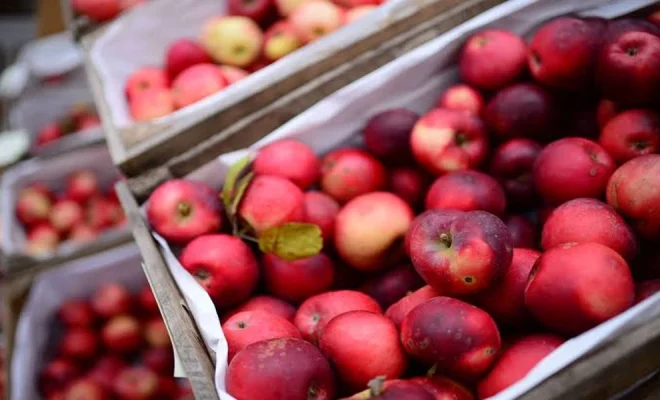
What would you like your apple juice to taste of? Something mellow for breakfast, perhaps, or a sharp, refreshing drink that makes a sweet apple seem a little sleepy. Choosing a tree becomes much more enjoyable once there is a particular glass in mind. British apple suppliers offer plenty of dessert and cooking varieties with uses for fresh juice, so there is room to follow your appetite.
There is also room to be quite ordinary about it. A kitchen juicer and a bowl of fruit constitute a perfectly respectable juice project. A shared press and several crates are a bigger undertaking, with a different appetite for apples and an afternoon to set aside. Think about which sounds like pleasure in your household. The answer will help with the eventual tree order, especially if the garden already produces apples that could join the mixture.
Flavour comes first in this selection
The seven suppliers below sell apples with documented juicing uses or named varieties described in specialist fruit accounts. Their descriptions suggest differences in sweetness, sharpness, aroma and colour. Those are the starting points for this comparison. Tree forms, ordering arrangements and the opportunity to discuss a mixture then determine how readily an appealing idea can become a planting.
Two calendars sit behind that decision. Apples intended for the same pressing need to be available together; trees that depend on one another for pollination need compatible flowering. A shared harvest month settles only the first question. Keep any existing apple varieties on the enquiry, because they may contribute both fruit and pollen.
Rootstock will influence the size of the tree and the space it occupies. The choice is worth making after estimating how much fruit you would enjoy handling. No sensible nursery specification can tell you exactly how many bottles a future garden will produce. Here the flavour descriptions come from published cultivar accounts, giving a way to choose candidates without pretending that these seven suppliers have been put through a tasting trial.
Top 7 UK apple tree suppliers for a fresh juice planting
1. Chris Bowers & Sons
Scrumptious brings a honeyed possibility to the apple trees for sale at Chris Bowers & Sons for British gardens. The catalogue describes fragrant flavour and tender flesh, with dessert eating and juicing both listed. That sounds like an apple which can make breakfast in more than one way: a few pieces on a plate, then a glass when there is enough ripe fruit to spare.
Sweetness also gives you something to blend around. Suppose the apple already growing in the garden produces a fairly sharp juice. Scrumptious would be a candidate to investigate alongside it, with the eventual proportions worked out from the harvested fruit. A tree order cannot specify the perfect mixture in advance. It can, however, bring together flavours that sound worth exploring.
There is a broad apple selection here, so the conversation can include alternatives if the proposed rootstock or ripening period does not fit. Bring the name of the existing apple and say how its fruit is used. “We cook with most of it, but would like a sweeter juice” tells a supplier considerably more than a request for the best juicing tree.
The trees are young, leaving time to learn the fruit as harvests develop. Chris Bowers offers delivery to the UK mainland and collection by arrangement. Once the variety and tree size are settled, the practical order is straightforward to describe. The enjoyable question remains what will go into that first glass.
2. Orange Pippin Trees
Orange Pippin gives juice its own route through the catalogue. Its dedicated selection includes Red Devil, described as making red-tinted juice, and Howgate Wonder, which points towards a sharper drink. A colour preference or a dislike of very sweet juice can therefore do some useful filtering before the gardener encounters the longer business of choosing a tree form.
Try giving the proposed order a short flavour description. “Pink and lively” is easier to pursue than an expanding list of cultivar names. There may be several apples worth considering within it, but the eventual choice will have a purpose. This is especially helpful when another household member would happily choose every attractive fruit in the catalogue.
The buying route needs a little explanation. Orange Pippin’s pot-grown trees are produced to its specification by Frank P Matthews, which also appears below. These are two retail routes with a documented production connection. Ordinary orders and pre-trained trees have different delivery coverage, so check the chosen form against the destination. A promising apple should stay attached to its rootstock and supply details throughout the purchase.
3. Adam’s Apples
A forgotten cooking apple deserves a second look before you order anything. Adam’s Apples has published advice on blending culinary and dessert fruit for juice, an approach that makes sense of apples already available in the garden. A sharp cooker can bring welcome acidity to a mixture, even if a glass of its juice alone would be a fairly bracing breakfast.
The published advice is older material, useful for the blending principle; present stock and ordering information govern the actual tree purchase. The Devon nursery takes winter orders, with trees prepared for delivery or collection from early December. That gives the autumn an enjoyable job. Taste apples locally when the opportunity arises, write down which flavours appeal, and use those observations to sharpen the enquiry.
Equal numbers of trees are unlikely to translate into equal amounts of juice. Trees differ, seasons differ, and some fruit will disappear into the kitchen before the press is brought out. Let the bowls of ripe apples decide the proportions. The blending advice at Adam’s Apples leaves room for just that sort of cheerful adjustment, with a nursery catalogue to explore once you know what flavour the garden is missing.
4. Frank P Matthews
Pink juice is quite an invitation. Frank P Matthews describes Red Devil as producing it when fully ripe, together with a strawberry-like aroma in the fruit. The ripeness qualification belongs with the description: colour and flavour are things to watch for as the crop develops, rather than appointments to put in the diary months beforehand.
There is a quieter alternative in the same catalogue. Egremont Russet is described as firm and nutty, with cream-yellow flesh and a use for juice. Between those two apples, the gardener has contrasting ideas to consider without getting lost in a very long list. One emphasises a striking drink and fruit aroma; the other brings the character associated with a familiar russet.
This is a grower with an online shop serving the UK mainland and a Tree Shop in Tenbury Wells. More developed forms are among the buying possibilities where offered. If seeing the tree would help settle its scale, that retail setting gives a different route from choosing solely on a screen. The fruit preference can remain the same whichever route is convenient.
5. The Heritage Fruit Tree Company
Some people know exactly which apple they want. Others know only that the present juice is too mild, or that the harvest arrives when the kitchen is already full of plums. The Heritage Fruit Tree Company explicitly includes juicing among the uses it helps customers select for, alongside eating and cooking. It offers a conversational way into that less settled decision.
The range spans dwarf trees and vigorous orchard forms. Existing varieties, available space and the weeks when fruit is normally gathered will all help explain the proposed planting. A photograph of the garden might make its scale easier to discuss, but the important information is what the household already grows and what it hopes the new apple will contribute.
Its published catalogue is labelled 2023/24 and remains a reference to the range, with different arrangements for reserved collection material and winter mail order. Confirm current varieties and forms directly. A catalogue from an earlier season can introduce an interesting apple without promising a tree ready for dispatch today. Here the enquiry is part of the buying process, which will suit someone who wants help choosing a flavour combination before committing to names.
6. Keepers Nursery
Holstein has a particularly tempting description at Keepers: intensely aromatic, orange-yellow juice from a relatively large dessert apple. Aroma deserves attention in this shortlist. A drink can have ample sweetness and sharpness yet still lack the fragrance that makes someone reach for another glass.
Keepers’ account gives Holstein a clear reason to investigate. It could be explored on its own, allowing its described character to come through, or considered alongside fruit already destined for the press. There is no requirement to devise an elaborate blend merely because several varieties are available. Equally, a household keen on experimenting has a specific characteristic to work with.
The stock list separates varieties by tree form and rootstock. Once Holstein, or another named apple, reaches the shortlist, use that combination to check availability. Most UK mainland addresses are served, with restrictions and additional carriage for some destinations. The Kent nursery’s buying information therefore brings the enquiry down to a deliverable tree, while the cultivar description supplies the reason for wanting it in the first place.
7. Tom Adams Fruit Tree Nursery
James Grieve leaves the kitchen plenty of choices. Tom Adams Fruit Tree Nursery includes it in the apple range, while Orange Pippin’s separate cultivar account describes very juicy fruit, sharp-tasting juice and uses for both eating and cooking. That combination will appeal if enthusiasm for pressing comes and goes. The apple can still earn an enthusiastic welcome on a week when nobody feels like getting the juicer out.
Tom Adams grows young fruit trees in Shropshire and documents an agroforestry approach to production. The current catalogue provides the varieties to discuss; its nursery account explains the setting in which trees are produced. Visits are by appointment, and dispatch takes place during dormancy. Those arrangements make an advance conversation sensible, especially when a household is working a new tree into an existing fruit garden.
Tell the supplier what a good juice-making day would look like. Perhaps there will be a borrowed press and enough people to deal with crates. Perhaps it will be two glasses beside the toast. With James Grieve, the documented range of kitchen uses gives the purchase some freedom around that ambition. A garden can supply an enjoyable drink without turning every apple into a pressing obligation.
Source note: Cultivar descriptions and juicing advice supplied the flavour comparisons. Nursery catalogues and ordering information established the buying routes, with Orange Pippin’s James Grieve account used separately for that apple’s uses.