Supporting Long Term Equipment Performance Through Quality Flanges
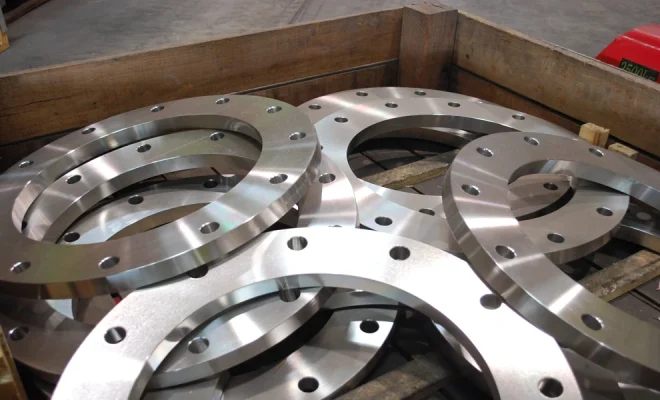
Equipment failures rarely begin with large machinery. Small connection points often create bigger operational risks. Flanges sit at those critical junctions. Their condition affects sealing strength, pressure control, and mechanical stability. Across refineries, processing units, and transmission networks, a quality oil and gas flange helps maintain reliable service while reducing costly interruptions and repair work.
How do quality flanges influence equipment lifespan?
Every connection faces pressure, temperature swings, and vibration. Weak components absorb stress poorly over time. As loads fluctuate, sealing surfaces can lose alignment. Tiny gaps may appear.
When precision manufacturing enters the equation, performance changes. Better dimensional accuracy reduces unwanted movement. Pipe sections remain stable during operation. Maintenance crews often notice fewer connection-related issues across extended service periods.
Material selection shapes long-term reliability
Environmental exposure affects flange durability more than expected. Corrosive fluids, salt-laden air, and thermal cycling leave lasting effects. Material choice determines resistance levels.
Key factors include:
- Corrosion tolerance under harsh conditions
- Temperature endurance during process fluctuations
- Mechanical strength under repeated loading
A stainless-steel flange near coastal facilities often outlasts lower-grade alternatives exposed to identical conditions.
What happens when flange specifications match applications?
Performance improves when specifications reflect operating realities. Pressure ratings matter. Facing designs matter. Bolt compatibility matters as well.
In high-pressure processing systems, an oil and gas flange selected for exact service conditions helps preserve joint integrity. Excess strain decreases. Leakage risks remain lower. Equipment connected through properly matched assemblies experiences reduced wear across adjoining sections.
Critical flange characteristics worth evaluating
Not every flange delivers identical performance outcomes.
Consider these features:
- Accurate bore dimensions
- Uniform surface finish
- Reliable metallurgy records
- Strong gasket compatibility
Another useful checklist includes:
- Pressure-class verification
- Traceable production documentation
These details affect installation quality and future inspection results.
Why inspection practices still matter
Even premium components require periodic evaluation. Surface damage can develop gradually. Fastener tension may change after thermal cycling. Routine checks identify concerns before production losses occur.
Field technicians often inspect sealing faces during shutdown periods. Early detection prevents larger repair projects. Small observations frequently save significant operational expenses.
Reliability begins at connection points
Major equipment receives substantial investment. Yet flange performance influences how effectively those assets operate. A well-machined sealing face, paired with suitable material selection, protects adjoining systems from avoidable stress. When connection integrity remains intact through years of pressure cycling, operational value extends far beyond the flange itself.
FAQs
How often should industrial flanges undergo inspection?
Inspection frequency depends on service conditions. High-pressure environments require closer monitoring. Facilities often align checks with scheduled maintenance intervals.
Which flange material works best against corrosion?
Material selection depends on fluid composition and site exposure. Stainless steel and specialized alloys perform well within aggressive environments.
Can flange quality affect maintenance costs?
Yes. Better manufacturing accuracy reduces leakage risks, replacement frequency, and unexpected repair requirements over extended operating periods.