The Role of Smart Meter Mobile Apps in Building Energy-Conscious Communities
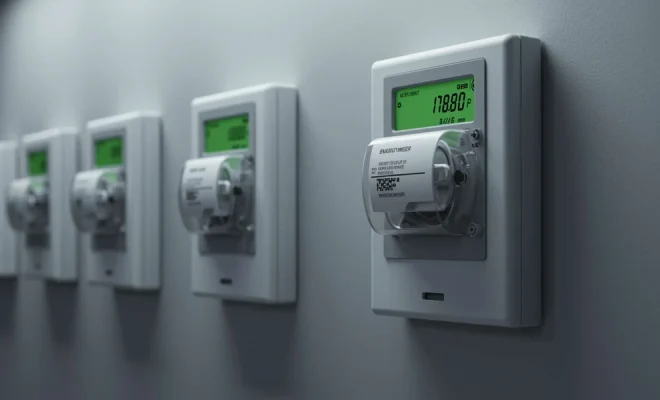
A few years ago, checking your electricity usage meant waiting for a paper bill to land in your mailbox, often a full month after the power was used. That gap between using energy and knowing what it cost you made it nearly impossible to change habits in real time. Today, a smart meter mobile app puts that same information in your pocket, updated almost as it happens, and that shift is quietly reshaping how entire neighbourhoods think about power.
From Passive Billing to Active Awareness
The old electricity meter was a one-way device. It counted units, and a meter reader walked door to door once a month to note them down. There was no feedback loop, so households had little reason to question their consumption patterns until the bill arrived and the damage was already done.
Smart meters changed the hardware side of this story by recording usage at short intervals and sending that data to the utility automatically. But hardware alone doesn’t change behaviour. It’s the companion smart meter app that turns raw readings into something a person can use right away: a graph, a daily total, an alert when usage spikes unexpectedly.
This is the piece that researchers and utilities increasingly agree on. Metering infrastructure gives utilities better data, but it’s the consumer-facing interface that gives households a reason to care.
Why the App Matters More Than the Meter
It sounds counterintuitive, but the meter itself rarely changes anyone’s behaviour. It’s the visibility that does. When someone can open an app and see that running the air conditioner six hours a day costs noticeably more than running it for four, they start making small adjustments without anyone telling them to.
A well-designed smart meter app usually offers a few core things:
- Near real-time consumption tracking, broken down by day, week, or month
- Alerts for unusual spikes, which often catch a faulty appliance early
- Prepaid balance and recharge options, useful where prepayment models are common
- Simple comparisons against past usage or similar households nearby
- Outage and restoration notifications, so people aren’t left guessing
None of this requires the user to understand the underlying grid technology. That’s the point. The app translates technical data into plain, everyday decisions.
Building Habits at the Community Level
Individual awareness is useful, but the bigger shift happens when an entire neighbourhood starts behaving differently together. Once a critical mass of households in a housing society or municipal ward can see their usage clearly, conversations change. Residents start comparing notes, building managers start flagging waste, and local utilities get cleaner data to plan around.
This is where the social side of energy management kicks in. People are naturally a bit competitive about efficiency once they can measure it. Apartment complexes have used shared dashboards to nudge residents toward lower peak-hour usage, turning what used to be an invisible utility cost into something closer to a shared community goal.
It also helps utilities target interventions better. Instead of broad messaging asking everyone to conserve power, distribution companies can use app-based data to identify which areas or appliances are driving the most waste.
Supporting the Bigger Grid Picture
There’s also a practical reason utilities are pushing app adoption hard. Distribution losses, both technical and the kind caused by theft or faulty billing, have been a long-standing problem for power utilities in many developing markets.
Real-time visibility through metering and app-based reporting helps cut down on these losses by making consumption transparent on both ends, for the household and for the utility.
In India specifically, this push has been backed by government-led modernisation programmes aimed at improving grid efficiency and cutting technical and commercial losses. Established players in the space, such as Genus Power, along with other vendors manufacturing smart meters at scale, with deployments running into tens of millions of units across utilities, have played a quiet but significant part in this rollout.
The companion apps tied to these meters are often where the public interacts with that backend infrastructure, even if they never think about who built the meter behind their wall.
The companion apps tied to these meters are often where the public interacts with that backend infrastructure, even if they never think about who built the meter behind their wall.
What Good App Design Looks Like
Not every app achieves this well. The ones that succeed tend to keep a few things in mind:
Simplicity
A dashboard cluttered with technical jargon discourages regular use. Most people just want to know if they’re using more or less than usual, and why.
Timing
An alert that arrives three weeks after a spike is far less useful than one that arrives the same day, while the habit causing it is still fresh in someone’s mind.
Trust
If the readings on the app don’t match the bill, people stop checking it. Accuracy between the metering hardware and the software layer isn’t optional; it’s the entire foundation of the user relationship.
Looking Ahead
As more cities adopt smart city frameworks, the smart meter app is likely to become less of a standalone utility tool and more of a connected component within broader home energy management, alongside solar tracking, EV charging schedules, and water or gas consumption.
The technology behind metering will continue to evolve, but the underlying idea will probably stay the same: people manage what they can see. A community doesn’t become energy-conscious because someone installed better meters on the street. It becomes energy-conscious when its residents can open an app, glance at a number, and decide to do something differently tomorrow.
That small daily habit, repeated across thousands of households, is what eventually adds up to a truly lower-consumption, lower-waste community.