Air Compressors in Data Centres: Supporting Reliable Cooling and Critical Operations
The dependence on data centres has increased considerably with the growing adoption of artificial intelligence, cloud computing and various digital services. Modern data centres are responsible for processing an enormous amount of information every second. Consequently, thousands of servers and networking devices operating continuously within these facilities generate a significant amount of heat.
Controlling this heat is one of the fundamental requirements for maintaining reliable data centre operations. Even a slight increase in temperature can affect the performance of sensitive equipment, increase energy consumption and potentially result in expensive downtime. Therefore, data centres depend on efficient cooling infrastructure to maintain the required operating conditions.
However, cooling systems are not the only equipment involved in maintaining these conditions. Compressed air works in the background to support several important processes within a data centre. Air compressors assist cooling controls, automation equipment and safety systems, thereby contributing towards reliable and uninterrupted facility operations.
Why Cooling Matters in Data Centres
Modern data centres accommodate thousands of servers that operate around the clock. As the computing requirements of these facilities increase, particularly due to AI applications, processors and networking equipment are required to handle increasingly demanding workloads. Naturally, higher computing loads also result in greater heat generation.
Data centres utilise different cooling technologies to maintain equipment within appropriate operating temperatures. Chillers, air-handling units and liquid-cooling systems are some of the commonly utilised solutions.
Along with these primary cooling technologies, compressed air supports various pneumatic and mechanical operations associated with the cooling infrastructure. Thus, maintaining an appropriate compressed air supply becomes an important consideration for the reliable operation of these facilities.
How Do Air Compressors Support Data Centre Cooling
Air compressors do not directly cool the servers present inside a data centre. Instead, compressed air supports several components that allow the overall cooling infrastructure to perform its intended function efficiently.
Operating Pneumatic Valves and Actuators
Cooling equipment requires precise control over different factors, including airflow, pressure and coolant circulation. Pneumatic valves and actuators are commonly utilised to perform these functions.
These components require a steady supply of clean compressed air to operate accurately and respond to changing requirements. For example, cooling demand can change according to the computing workload of the facility. A dependable compressed air system helps valves and actuators respond appropriately to these changes while maintaining consistent cooling performance.
Maintaining Dry and Clean Air
Moisture can become a significant concern in an environment that accommodates sensitive electronic equipment. Excessive humidity can interfere with pneumatic equipment and may also affect the efficiency of cooling systems. Therefore, maintaining clean and dry air is essential for reliable operations.
Compressed air systems can be combined with suitable air treatment equipment to remove moisture, oil and other contaminants before the air reaches critical equipment. This helps maintain reliable pneumatic performance and can also reduce unnecessary maintenance requirements.
Supporting Energy-Efficient Operations
Energy consumption is an important consideration for modern data centres. Cooling equipment accounts for a significant portion of the electricity consumed by these facilities. Hence, supporting systems must also operate efficiently wherever possible.
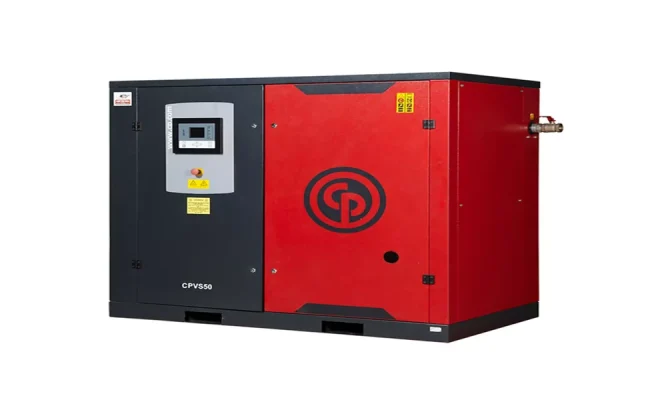
Variable Speed Drive (VSD) screw compressors offer an additional option of controlling compressed air energy consumption. These compressors can automatically adjust their compressed air output according to actual demand (instead of continuously operating at full capacity).
For instance, when compressed air requirements decrease, the compressor can reduce its output accordingly. This prevents unnecessary energy consumption while ensuring that sufficient compressed air remains available for cooling-related applications.
Choosing the Right Compressed Air Solution
Data centres operate continuously and consequently require equipment capable of delivering dependable performance with minimal interruptions. Selecting an appropriate compressor requires facility operators to consider several factors, such as required operating pressure, air demand, air quality and energy efficiency.
Rotary screw compressors are commonly preferred for such applications because they can provide a continuous supply of compressed air during extended operating hours. Additionally, they generate and work within low noise levels, elevating overall operation efficiency.
However, the compressor represents only one component of the complete system. Air dryers and filters can maintain the required air quality (parallelly condensate management systems assist in handling moisture generated within the compressed air system). Properly designed piping is equally important for distributing compressed air efficiently throughout the facility.
Therefore, combining these components appropriately allows data centres to establish a complete compressed air solution according to their operational requirements.
Reliable Compressed Air for Critical Infrastructure
The continuous expansion of AI, cloud computing and digital infrastructure is likely to place greater pressure on data centres to improve both cooling efficiency and operational reliability. Although compressed air may not be as visible as servers or primary cooling equipment, it remains an important utility for supporting cooling controls, automation and fire protection systems.
Chicago Pneumatic has more than 125 years of experience in compressed air solutions. Its range includes screw compressors, piston compressors, air dryers, filters, condensate management systems and piping solutions designed to provide clean, efficient and dependable compressed air.
By selecting an appropriately designed compressed air system, data centre operators can support reliable cooling operations, improve energy efficiency and minimise unnecessary interruptions. Thus, compressed air continues to perform an important supporting role in maintaining the consistent performance expected from modern data centre infrastructure.
FAQs
Why are air compressors used in data centres?
Air compressors provide clean and dependable compressed air for operating pneumatic valves, actuators and automation equipment. The systems support cooling infrastructure and uphold optimum data centre operations.
How do air compressors improve data centre cooling efficiency?
Compressed air helps cooling systems regulate airflow, coolant circulation and pressure accurately. Consequently, this supports appropriate temperature control while helping reduce unnecessary energy consumption and equipment downtime.
Which type of air compressor is best for data centres?
Rotary screw compressors are commonly suitable for data centres because they provide a continuous compressed air supply. Variable Speed Drive (VSD) models can offer additional energy efficiency by adjusting their output according to actual compressed air demand.
Why is clean and dry compressed air important in data centres?
Moisture, oil and other contaminants can interfere with pneumatic equipment and cooling operations. Clean and dry compressed air helps maintain reliable equipment performance while reducing maintenance requirements.