Wholesale Custom Labels: A Practical Guide for Growing Product Brands
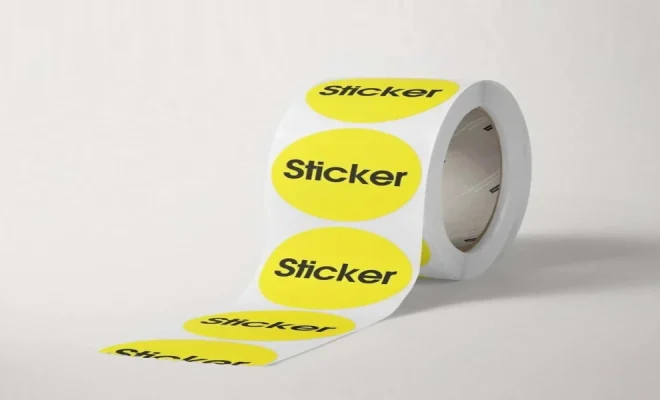
There’s a point in every small brand’s life when the home printer stops being enough. Maybe you’ve just landed a stockist. Maybe you’re tired of hand-cutting labels at midnight before a market. Either way, you start looking at ordering labels properly, in bulk.
That’s a good move. It’s also where a lot of new brands overspend or end up with labels that peel off in the fridge. Here’s what to understand before placing your first big order.
Why Buy Labels Wholesale?
The economics are simple. Most of the work in a print run is setup: preparing artwork, making plates or cutting dies, and calibrating the machine. Once that’s done, extra labels cost relatively little. So the more you order, the lower the price per label.
Ordering wholesale custom labels also gives you consistency. Every jar, bottle or box on the shelf looks the same, which matters a lot when a retailer is deciding whether your product looks professional enough to stock.
Know Where the Label Will Live
Before thinking about design or price, think about conditions. The same label behaves very differently on a dry cardboard box and on a bottle that sits in an ice bucket.
Ask yourself:
- What surface is it going on? Glass, plastic, metal, cardboard, a curved bottle?
- Will it face water, oil, freezing, heat or handling?
- Will it be applied by hand or by a labelling machine?
- How long does it need to look good?
These answers point you toward the right material, adhesive and finish.
Materials in Plain Language
Paper labels are affordable and print beautifully. Textured papers can give a craft or premium feel. They’re best for dry products and short-to-medium shelf life.
Film labels, such as BOPP (a type of polypropylene), handle moisture and handling better. They’re common on cosmetics, drinks and anything kept cold. Clear film creates a “no-label” look on glass.
Vinyl is flexible and sturdy, often used for outdoor or heavy-handling items. It’s usually more than a typical food or cosmetic label needs.
Your printer should recommend the right option for your use rather than the most expensive one.
Adhesives Matter More Than You’d Think
The sticky part is easy to overlook until labels start curling at the edges. Permanent adhesives are designed to stay put. Removable ones peel off cleanly. Some adhesives are made for cold or damp surfaces, others for textured or curved containers. If your product goes into a fridge or freezer, mention it early.
Finishes and Embellishments
Gloss finishes make colours pop. Matte feels softer and more understated. Laminates add a protective layer against scuffs and moisture. Foil, embossing and spot varnish add a premium touch, though they also add cost and sometimes lead time.
A good rule: decide which one or two details really express your brand, and don’t pay for everything at once.
Rolls or Sheets?
If you apply labels by hand, sheets can be convenient. If you use, or plan to use, a labelling machine, you’ll need rolls. Machines require specific details: core size, outer diameter, label spacing and winding direction. Get these from your machine supplier before ordering, because the wrong roll format simply won’t run.
Choosing a Supplier
The cheapest quote isn’t always the best value. When comparing custom label suppliers, look at:
- Whether they’ll send material samples
- Whether they offer a digital proof or a printed proof
- Minimum order quantities and price breaks
- Turnaround time for first and repeat orders
- How they handle colour matching and reprints
Ask for a proof every time, especially for your first order. Check spelling, barcodes, ingredient lists and colours carefully. Reprinting ten thousand labels because of a typo is a painful lesson.
Plan for Change
Ingredients change. Regulations change. Your logo might get a refresh. Ordering a year’s supply of labels can make sense for stable products, but for anything likely to change, a smaller run with quick repeat orders may be smarter. Ask your printer how quickly reprints can be done and whether artwork changes affect setup costs.
Final Thoughts
Wholesale labels are one of those quiet investments that make a brand look ready for bigger shelves. Start with the conditions your product faces, choose materials and adhesives to match, insist on proofs and samples, and order in quantities that fit how often your product changes. Your labels should be the last thing you worry about once the stock leaves your hands.