Commercial Roof Replacement Options For Different Building Sizes And Requirements
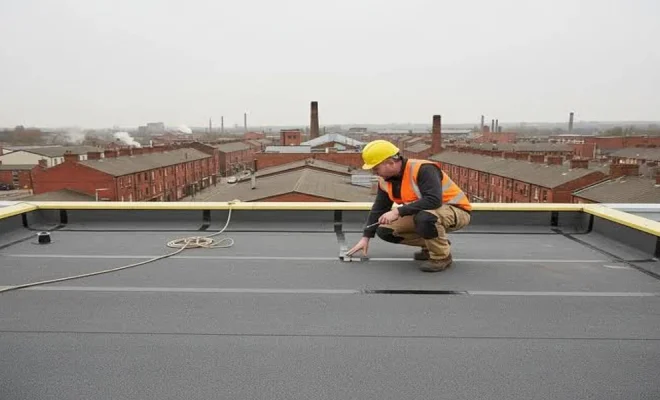
Building size strongly shapes the work needed when an aging covering no longer meets property demands. Roof replacement should match structural capacity and daily use. Smaller facilities often need focused work, while larger buildings require careful staging and stronger planning. Clear evaluation helps owners select suitable options with confidence. Guidance from a san antonio texas commercial roofing company can support this process.
What Suits Smaller Facilities Best
Compact buildings often need a focused approach that limits disruption to regular operations. A simple layout can support faster preparation when damage remains limited to certain sections. Careful checks help identify weak areas before new layers are installed. With suitable materials selected for the building’s needs, san antonio texas commercial roofing company services can support a durable and dependable roofing solution.
- Compact layouts allow focused replacement work with limited disruption.
- Precise measurements support accurate ordering for smaller structures.
- Targeted repairs reduce unnecessary removal during preparation stages.
- Clear scheduling helps staff maintain regular daily duties.
- Strong coordination keeps project steps easier to manage.
How Do Larger Buildings Plan
Broad facilities require organized preparation because work covers greater surface areas. Crews need clear access routes with defined work zones to protect active operations. Drainage paths should remain clear during each stage of construction. Larger structures also need scheduling that supports safe movement around occupied areas.
- Wider sections require organized staging before work begins.
- Defined access routes help workers move through active areas.
- Drainage checks prevent water buildup during construction activities.
- Planned phases reduce interruptions across occupied building sections.
- Detailed measurements guide efficient ordering for broad structures.
Which Features Fit Requirements
Different properties need options based on structure use and expected weather exposure. A low-use storage facility may need a different surface system than a busy production building. Insulation levels should suit indoor needs while drainage design should support proper water flow. Selection should also consider future upkeep so the chosen system remains practical.
Budget Needs For Different Sizes
Cost planning depends on area size and the condition found beneath existing layers. Smaller properties may require less labor while larger facilities can involve extended preparation and installation periods. Owners should review the full project scope before setting spending limits. Clear estimates can help prevent unexpected changes during construction.
Matching Options To Building Use
The right selection should reflect how each facility operates throughout the year. Buildings with heavy equipment may need stronger surface protection than lightly occupied spaces. Areas with frequent foot movement require careful planning around access points. Existing structural limits should guide the selected system to support reliable performance.
Selecting suitable replacement options requires attention to building dimensions and purpose. Compact facilities can benefit from focused preparation while broad properties need detailed staging. Owners should compare structural needs with budget limits and daily activity. A clear assessment followed by suitable installation creates dependable protection for years.
FAQs
Can building size change the suitable replacement approach?
Yes, larger structures usually require broader planning and phased work.
What should owners review before starting replacement work?
Review structure condition, drainage needs, budget limits, and building use.
How can upkeep support long-term surface performance?
Routine checks help identify minor concerns before costly deterioration develops.


